By Greencamp Editorial Team
Reading time: 6–7 minutes
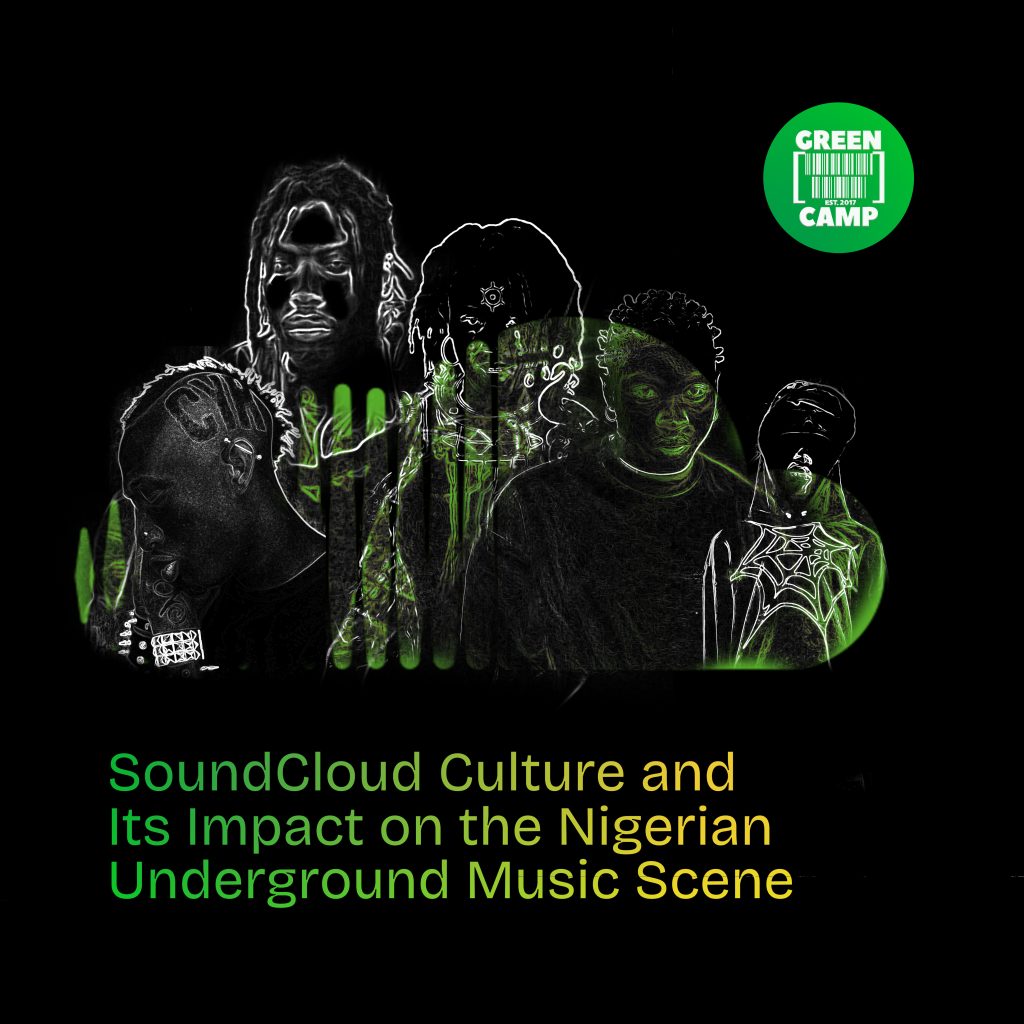
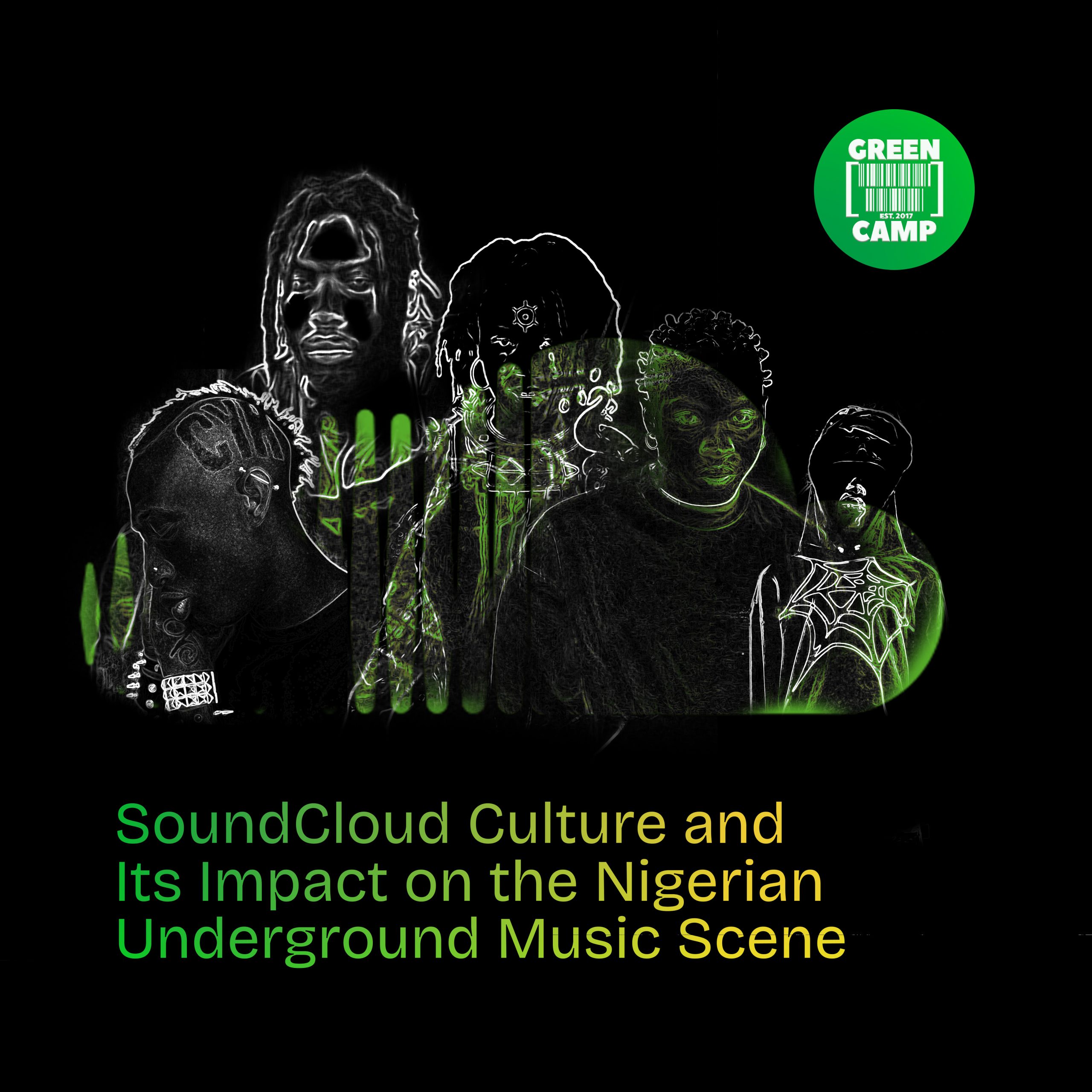
Few platforms in global music history have shaped how artists create, share, and connect with audiences like SoundCloud. What began in Berlin in 2007 as a simple audio-hosting site became an important space for music discovery, fan interaction, and artistic experimentation. SoundCloud’s influence extended deep into the Nigerian underground scene, fundamentally reshaping how songs circulated, how hype built, and how independent artists found their voices.
From File Shares to Community Hubs
The internet shifted music culture in the early 2000s, when unfinished demos and leaks circulated across file-sharing platforms like LimeWire. To fans, these early snippets were like rare collectibles. Artists like Kanye West and Lil Wayne embraced this, letting unpolished tracks spread freely to generate buzz and build anticipation around their music.
By the mid-2010s, SoundCloud had become the essential platform where emerging artists could upload and share music without a label or distributor. It also offered something file-sharing platforms like LimeWire and traditional streaming services didn’t: direct artist-to-listener connection. For the first time, users could comment on specific moments in tracks, share music instantly, and interact with artists without intermediaries. This community-centric design broke down barriers that once kept unsigned musicians confined to local networks.
The platform also pioneered the snippet culture that now dominates music marketing. Artists could tease unfinished work, gauge reactions, and build anticipation organically. Combined with social media platforms— first Instagram, then later TikTok— these previews became powerful discovery tools. A 10-second clip could generate global buzz before an official release.
SoundCloud in the Nigerian Underground Scene
Within Nigeria’s hip-hop and alternative circles, SoundCloud serves as a creative backroom, a space that is both a testing ground and a community hub.
Artists use the platform to share pre-releases, rough demos, snippets, and private uploads, inviting listeners into the unfinished stages of their work. This informal, community-oriented approach helps build strong grassroots support before official releases on major streaming services.
Famed alté artists like Lady Donli harnessed SoundCloud’s influence in 2016, when she released her breakthrough EP “Wallflower”. Odunsi the Engine released his first EP “Time of Our Lives” on SoundCloud in the same year, establishing himself as a key voice in the emerging alté scene. Other artists like Nakie4000, Aylo, PsychoYP, Mojo AF, Santi, Loti, Kehinde, Rastavelli, Dwaynestunna, Straffitti, Laime, Famous Bobson, Jahblend, Wavy The Creator, Remy Baggins and, Idris King helped define what independence and experimentation looked like in the Nigerian context.
Today’s underground artists continue to build momentum with SoundCloud. Community favorites like Zaylevelten, Luwa.mp4, Bigg Bobbyy, Igoraqi, and Underdawgbuju have all leveraged the platform to test ideas and grow early audiences. One example is Zaylevelten’s early snippet of “Zanku,” which surpassed 5,000 plays across multiple SoundCloud reposts (pages), generating conversation and anticipation ahead of any official rollout.
SoundCloud also functions as a playground for DJs and producers to share mixes and beats, and for artists to experiment without the pressure of chart performance or label expectations. Some tracks, like “Pawon”, gained traction as SoundCloud releases before prompting broader distribution across other platforms, a pattern repeated by indie acts who see organic SoundCloud numbers as proof of concept.
For Nigeria’s underground and alternative community, SoundCloud’s appeal lies in its low barriers to entry and its alignment with the Nigerian underground ethos. It offers a space where music that might not initially fit radio playlists or commercial molds but resonates strongly within local and global underground communities can thrive.
SoundCloud’s Evolution, Not Decline
Some observers argue that SoundCloud’s influence has faded. While changes in algorithmic discovery and an influx of lower-quality content have made navigation harder for casual users, this narrative overlooks how the platform has adapted its role within the music ecosystem.
SoundCloud’s core mission remains unchanged— empowering independent and unconventional artists and scenes. What has shifted is how that mission operates alongside other platforms.
The recent integration with TikTok, allowing users to save discovered songs directly to SoundCloud playlists, acknowledges a new reality: TikTok often sparks initial discovery, but SoundCloud provides what comes next. Where TikTok offers viral moments, SoundCloud offers community.
Songs that gain traction on TikTok can be saved, discussed, and amplified through SoundCloud’s comment sections and repost networks, giving underground tracks a second life beyond the algorithm’s 15-second attention span.
For Nigerian underground artists, this synergy matters. A snippet going viral on TikTok can drive listeners to SoundCloud, where deeper engagement (track commentary, artist discovery, playlist curation) happens. Far from competing for the same space, the platforms now serve complementary functions in how independent music circulates and finds its audience.
Instead of decline, SoundCloud has adjusted its role, remaining most valuable where raw, emerging, and unconventional music surfaces first.
Why SoundCloud Still Matters for Creatives
SoundCloud continues to matter for young and independent creators because it provides what many mainstream platforms don’t offer.
At its core is direct fan connection. Comments on specific timestamps, reposts, and direct messaging allow artists to build early fanbases and gauge reactions in real time, creating dialogue rather than passive consumption.
Just as important is the freedom to be unfinished. On SoundCloud, artists can post experiments, rough demos, and genre-bending sounds without label pressure. The platform becomes a kind of laboratory, where ideas are tested before they’re refined for wider release.
This openness naturally feeds into community. Scenes form not through algorithms, but through shared taste—artists and producers finding each other, collaborating, and pushing a sound forward together. These digital connections often spill into real-world movements.
Discovery, too, works differently here. Some tracks break on SoundCloud first, spreading through reposts and organic sharing. Others arrive after gaining traction on TikTok or Instagram, finding deeper engagement through comments, playlists, and sustained listener attention.
For the Nigerian underground scene, SoundCloud doesn’t replace TikTok or Spotify—it bridges the gap between them, turning fleeting viral moments into sustained artist development and community engagement.
In Conclusion
SoundCloud has played a foundational role in shaping global and local underground music cultures, and that role hasn’t disappeared. Rather than being a relic of an earlier era, SoundCloud remains a practical tool for independent artists working outside mainstream systems. Within the Nigerian underground, SoundCloud operates not just as a promotional ladder but as a cultural ecosystem where fresh sounds are born, tested, and celebrated before they ever reach wider industry acknowledgment.
It is often where the music finds its first people.
Visit Greencamp SoundCloud playlist.